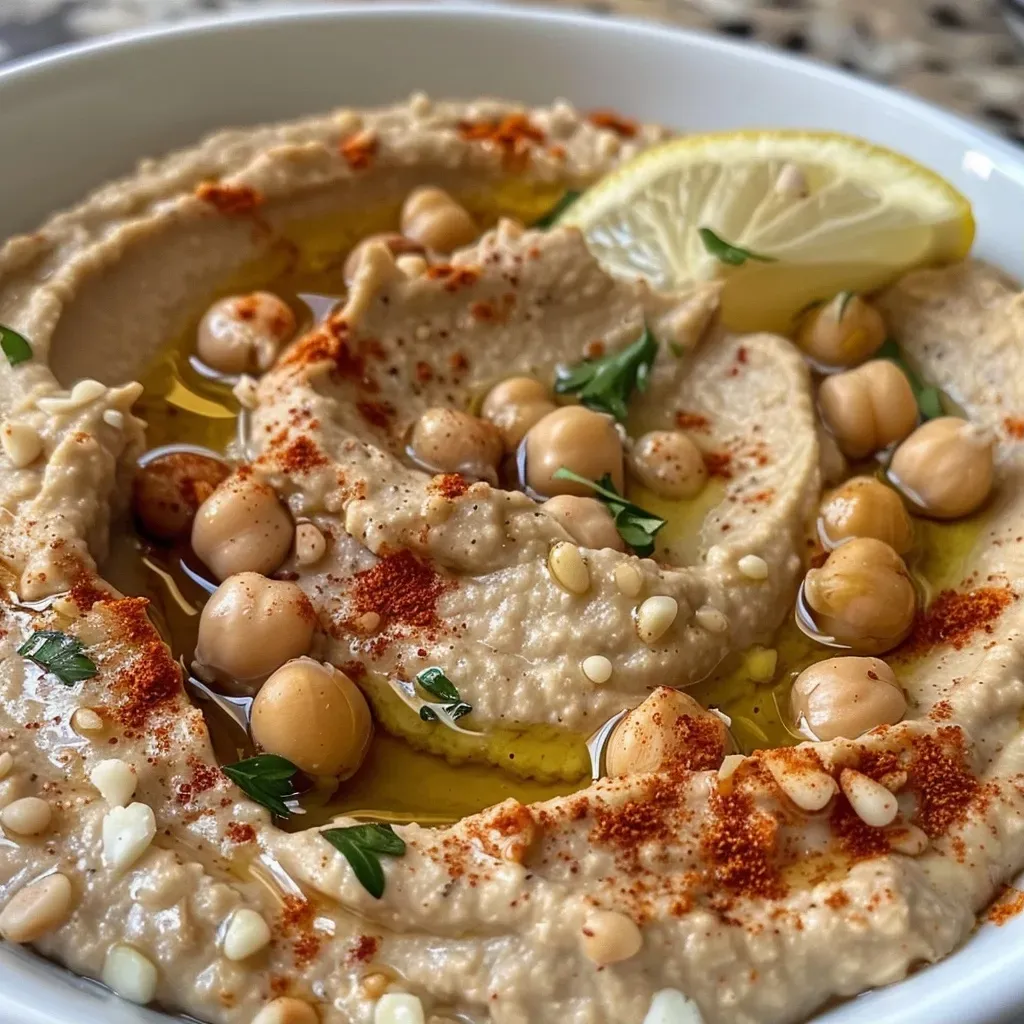
Discover the Joy of Homemade Hummus
Welcome to a world of creamy, delicious, and versatile homemade hummus! If you’ve ever found yourself craving a snack that’s both satisfying and healthy, you’re in the right place. Hummus is not just a dip; it’s a celebration of fresh ingredients and flavors. In this comprehensive guide, I’ll walk you through making a delightful hummus using simple ingredients like tahini, garbanzo beans, and lemon juice, all while keeping it approachable and enjoyable.
Whether you want to enjoy it as a quick snack, a party appetizer, or a meal addition, this homemade hummus recipe is the answer. Let’s dive into the details and discover why this recipe will become a staple in your kitchen.
Why You’ll Love This Recipe
- Wholesome Ingredients: Made with pantry staples, this hummus uses quality ingredients like extra virgin olive oil and fresh lemon juice, ensuring each bite is packed with flavor and nutrition.
- Quick and Easy: With just a few simple steps, you can whip up a batch of hummus in under 10 minutes, making it perfect for busy weeknights or unexpected guests.
- Customizable Flavors: This recipe serves as a base for countless variations, allowing you to mix and match flavors according to your taste preferences.
- Healthy Snack Option: Packed with protein and fiber from chickpeas, hummus is a guilt-free snack that keeps you satisfied between meals.
- Great for Sharing: Whether served with pita bread, fresh veggies, or as part of a mezze platter, hummus brings people together and is always a crowd-pleaser.
Ingredient Breakdown
Let’s take a closer look at the ingredients you’ll need for this creamy homemade hummus, along with some helpful substitutions.
- Tahini: 1/2 cup of tahini (preferably roasted for richer flavor). If unavailable, you can substitute with sunflower seed butter for a nut-free version.
- Olive Oil: 1/4 cup of extra virgin olive oil. This adds creaminess and depth to the hummus. You can also use avocado oil if you prefer a different flavor.
- Garlic: 2 cloves of garlic, mashed and roughly chopped. For a milder taste, roast the garlic before adding it to the mix.
- Chickpeas: 2 (15-ounce) cans of drained chickpeas (also known as garbanzo beans). You can also cook dried chickpeas from scratch for an even fresher taste.
- Lemon Juice: 1/4 cup of freshly squeezed lemon juice. This brightens the flavor and balances the richness of the tahini.
- Water: 1/2 cup of water to achieve the desired consistency. Add more if you prefer a thinner hummus.
- Salt: 1/2 teaspoon of kosher salt. Adjust according to taste.
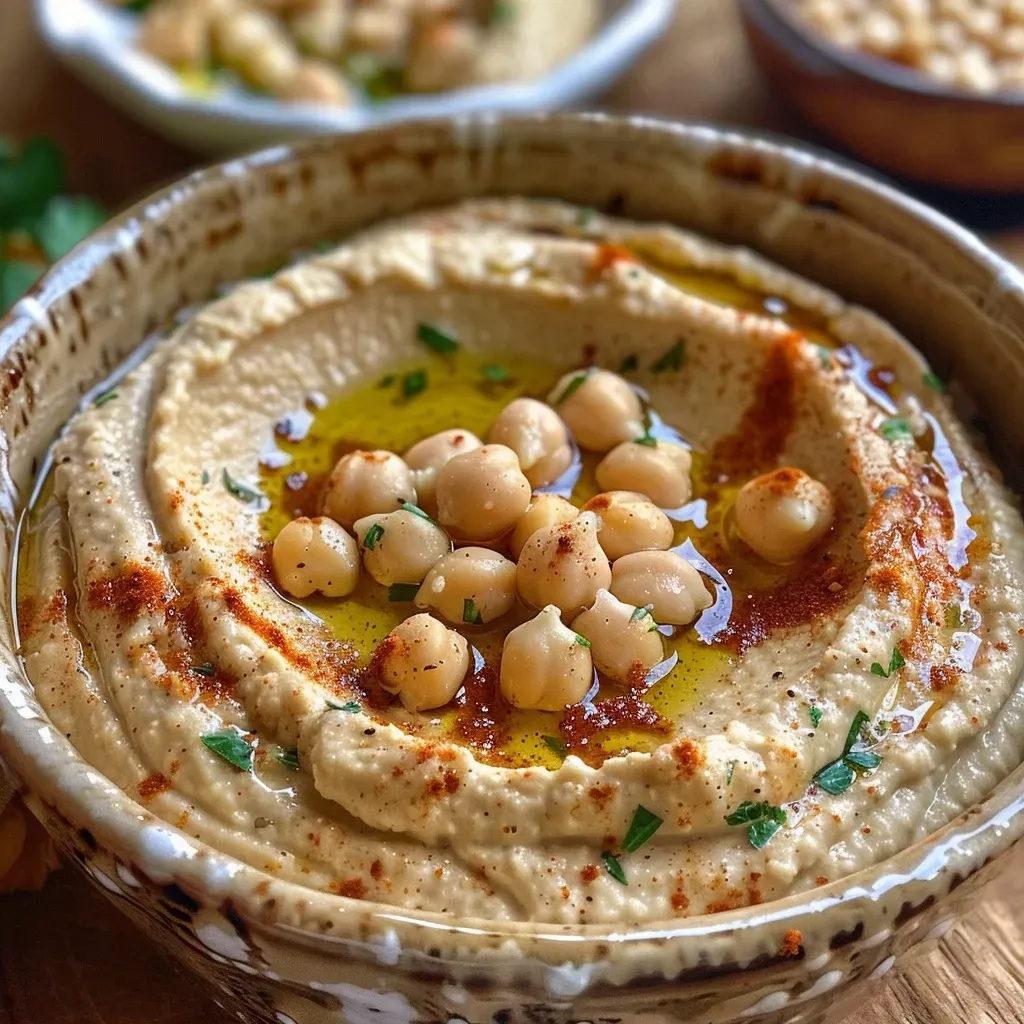
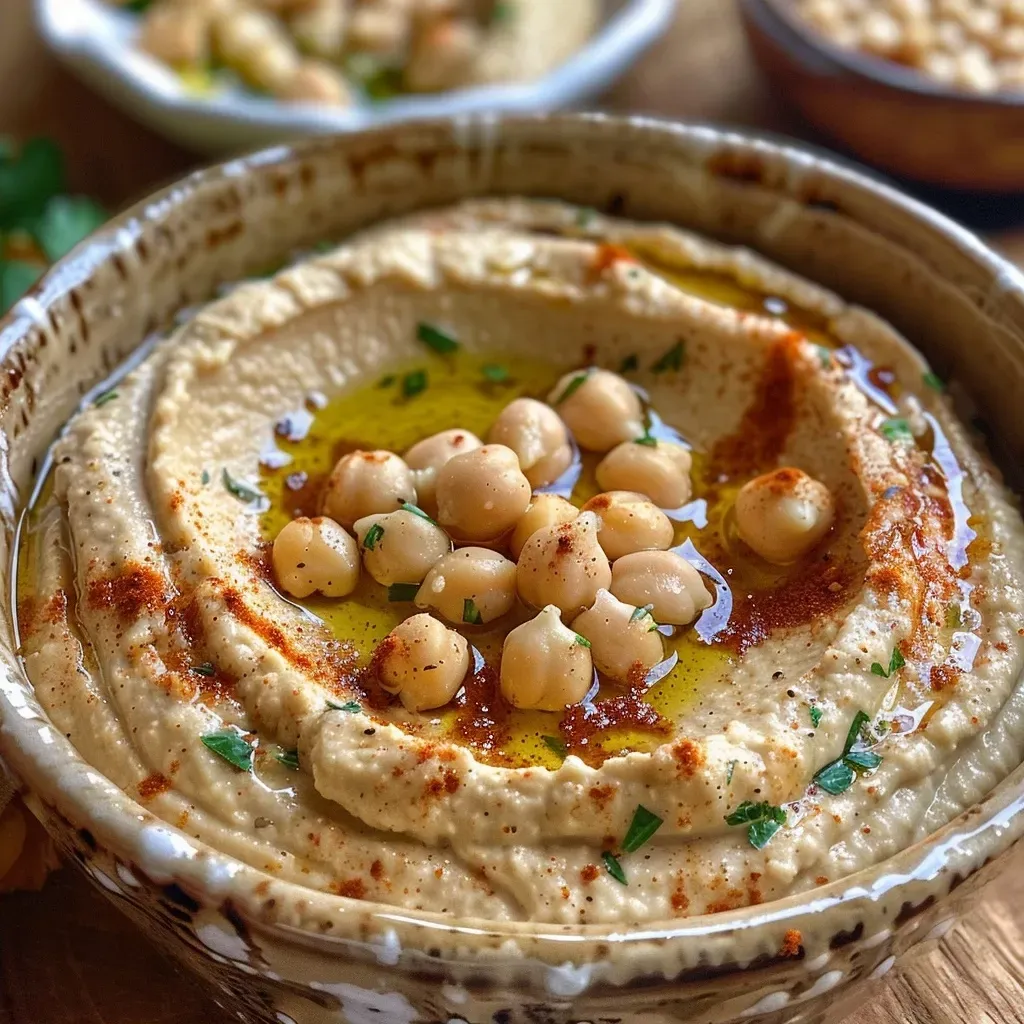
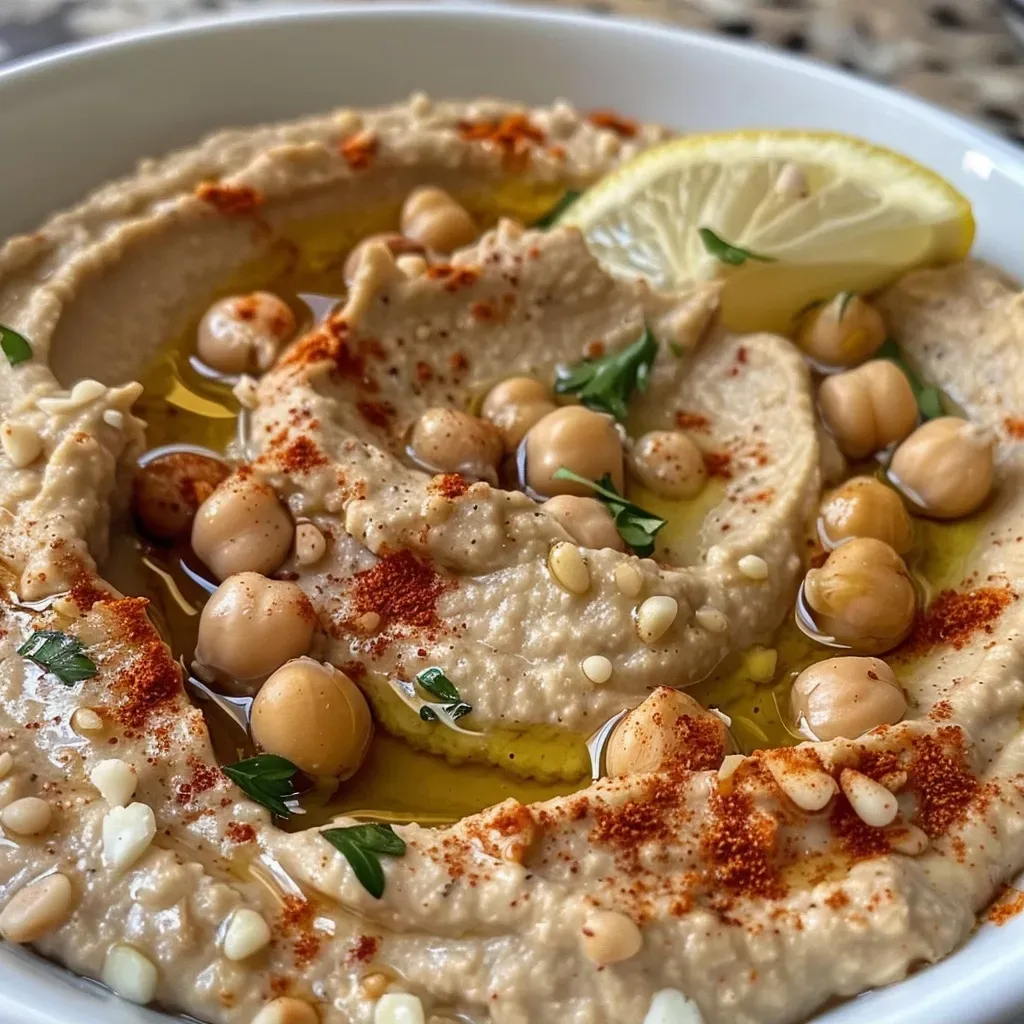
- Garnishes: A sprinkling of paprika, a swirl of olive oil, toasted pine nuts, or chopped parsley can elevate the presentation.
Pro Tips for Perfect Hummus
To ensure your homemade hummus is the best it can be, here are some expert insights:
- Blend Longer: The longer you process the mixture, the creamier your hummus will become. Aim for at least 2-3 minutes of blending.
- Adjust Consistency: If your hummus is too thick, add more water gradually until you reach your desired texture.
- Taste as You Go: Don’t hesitate to taste your hummus during preparation, adjusting salt and lemon juice to find the perfect balance.
- Use Cold Ingredients: Cold ingredients help achieve a smoother texture, so consider chilling your tahini and olive oil beforehand.
- Experiment with Spices: Add spices like cumin or smoked paprika for an extra kick of flavor.
- Serve at Room Temperature: Hummus is best served at room temperature, so let it sit out for a bit before serving.
- Make Ahead: Hummus can be made a day in advance, allowing the flavors to meld beautifully.
- Store Correctly: Keep hummus in an airtight container to maintain freshness and flavor for up to 5 days in the fridge.
Common Mistakes and Troubleshooting
Even the best cooks can make mistakes! Here’s how to avoid common pitfalls when making hummus:
- Too Grainy: If your hummus is grainy, continue blending. You can also add a tablespoon of water or olive oil to smooth it out.
- Too Sour: If it tastes overly tangy, add a pinch of sugar to balance the acidity.
- Too Thick: Add additional water, one tablespoon at a time, until you achieve the desired consistency.
- Bland Flavor: If your hummus lacks flavor, try adding more salt, lemon juice, or spices to enhance the taste.
- Separation in Storage: If your hummus separates in the fridge, just stir it before serving to recombine the ingredients.
Delicious Variations to Try
Once you’ve mastered the basic hummus recipe, why not try these fun variations?
- Roasted Red Pepper Hummus: Blend in 1 cup of roasted red peppers for a sweet and smoky flavor.
- Spicy Hummus: Add a minced jalapeño or a teaspoon of cayenne pepper for a kick.
- Herbed Hummus: Mix in fresh herbs like basil, cilantro, or parsley for a refreshing twist.
- Beet Hummus: Add 1 cup of cooked and pureed beets for a vibrant color and earthy flavor.
Storage and Make-Ahead Instructions
Making hummus ahead of time is a fantastic way to save time. Here’s how to do it:
- Refrigeration: Store hummus in an airtight container in the fridge for up to 5 days. Just give it a stir before serving.
- Freezing: For longer storage, freeze hummus in an airtight container for up to 1 month. Thaw in the fridge overnight before enjoying.
- Garnishes: Add garnishes just before serving to keep them fresh and visually appealing.
Frequently Asked Questions
If you have questions about making hummus, you’re not alone! Here are some commonly asked questions:
- Can I use dried chickpeas? Yes! Soak and cook dried chickpeas before using them in the recipe for a fresher taste.
- Is hummus gluten-free? Absolutely! Hummus is naturally gluten-free, making it a safe snack for those with gluten sensitivities.
- Can I make hummus without tahini? Yes, you can omit tahini or substitute it with sunbutter or Greek yogurt for a different flavor.
- What’s the best way to serve hummus? Hummus pairs beautifully with pita bread, fresh vegetables, or as a spread on sandwiches.
- How can I make my hummus extra creamy? Ensure your ingredients are cold, blend for a longer period, and consider adding a bit more olive oil.
- What else can I add to my hummus? Experiment with flavors like roasted garlic, olives, or spices to customize your hummus.
- Is hummus a healthy snack? Yes! Hummus is rich in protein, fiber, and healthy fats, making it a nutritious snack choice.
- Can I eat hummus on a diet? Definitely! Hummus can fit into any balanced diet; just be mindful of portion sizes.
Nutrition Tips and Dietary Adaptations
This homemade hummus is a healthy choice, but here are a few tips to enhance its nutritional profile:
- Protein Boost: Add a scoop of your favorite protein powder to increase its protein content.
- Lower Sodium: Use low-sodium chickpeas and control the salt to make it even healthier.
- Fiber-Rich Additions: Incorporate ground flaxseed or chia seeds for extra fiber.
- Vegan-Friendly: This recipe is naturally vegan, making it suitable for all kinds of diets.
Essential Equipment for Making Hummus
Having the right tools can make your hummus preparation smoother:
- Food Processor: A good quality food processor is essential for achieving that creamy texture.
- Measuring Cups and Spoons: Accurate measurements ensure the best flavor balance.
- Spatula: For scraping down the sides of the bowl to ensure everything is well mixed.
- Serving Dish: A beautiful serving dish can elevate your hummus presentation, making it more inviting.
Serving Suggestions
Hummus is incredibly versatile! Here are some serving ideas to inspire you:
- With Pita Bread: Cut pita into wedges, warm them up, and serve alongside your hummus.
- Veggie Platter: Pair hummus with colorful raw vegetables such as carrots, cucumber, and bell peppers for a refreshing snack.
- As a Spread: Use hummus as a spread on sandwiches or wraps for added flavor and creaminess.
- In Salads: Drizzle hummus over salads for a delightful twist or use it as a dressing base.
Conclusion
Making homemade hummus is not just about creating a delicious dip; it’s about embracing wholesome ingredients and enjoying the process of cooking. I hope this guide inspires you to try making your own creamy hummus at home. Remember, it’s all about balance and flexibility—don’t stress, enjoy the journey, and savor every bite! Happy cooking!
Easy Homemade Hummus
Ingredients
Dips and spreads
- 1/2 cup tahini (roasted, not raw)
- 1/4 cup extra virgin olive oil (plus more for garnishing)
- 2 cloves garlic, mashed and roughly chopped
- 2 15-ounce cans chickpeas (garbanzo beans), drained
- 1/4 cup lemon juice, freshly squeezed
- 1/2 cup water
- 1/2 teaspoon kosher salt
Garnishes
- paprika, swirl of olive oil, toasted pine nuts, chopped parsley
Instructions
- Combine tahini and olive oil in a food processor and blend until smooth.
- Add garlic, chickpeas, lemon juice, water, and salt; process until smooth, adjusting salt or lemon to taste.
- Spoon hummus into a dish, swirl with olive oil, and sprinkle garnishes like paprika, pine nuts, or parsley.
- Serve with crackers, vegetables, or toasted pita bread.
- To toast pita, cut into triangles, brush with olive oil, and bake at 375°F for 10 minutes.
- Store leftovers in an airtight container in the fridge for up to 5 days.