
Discover the Joy of Grain Bowls: Your Go-To Guide
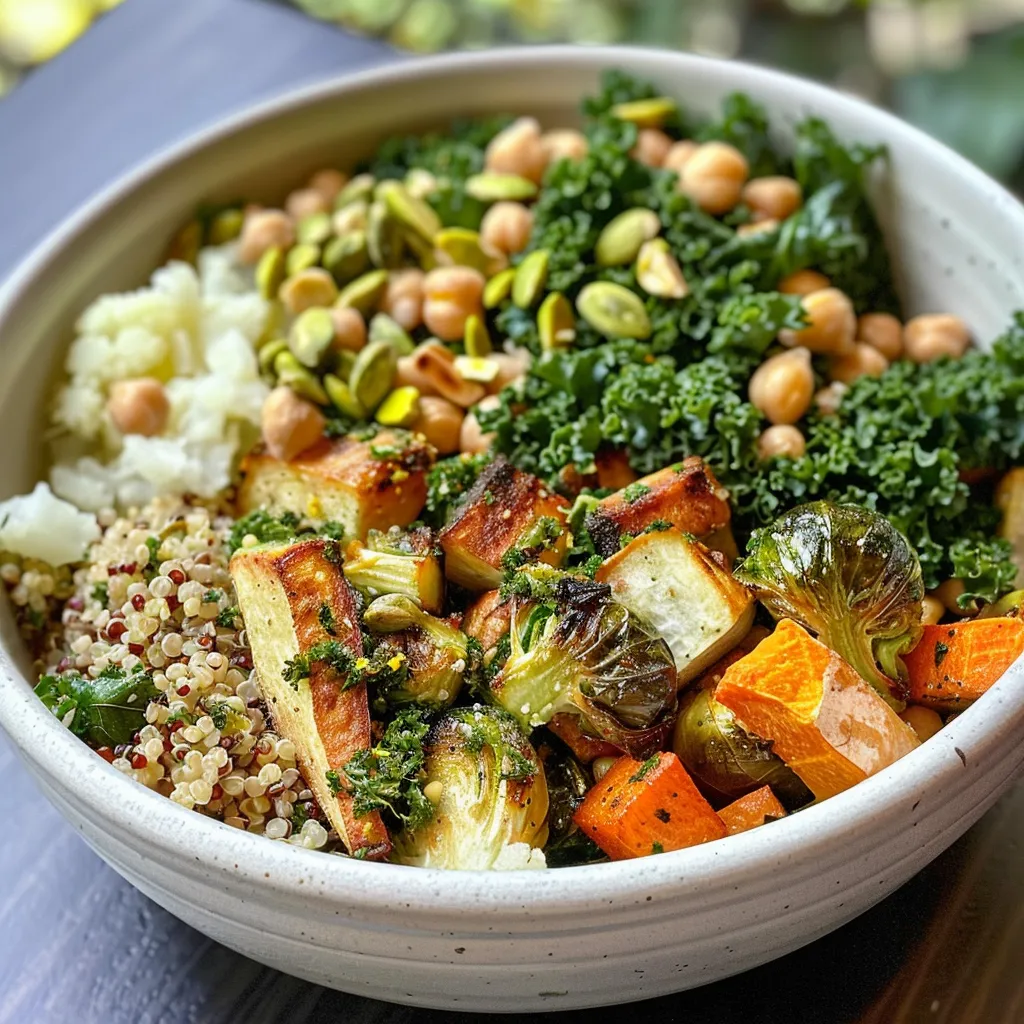
Grain bowls have taken the culinary world by storm, and for good reason! They offer a delicious and nutritious way to enjoy a balanced meal that fits perfectly into your busy lifestyle. In this article, you’ll learn how to create a nourishing roasted veggie grain bowl that is not only easy to prepare but also packed with flavor and nutrients. Whether you’re looking for quick lunch options, a satisfying dinner, or meal prep ideas, this grain bowl recipe has got you covered!
Why You’ll Love This Recipe
There are countless reasons to embrace this roasted veggie grain bowl, and here are just a few:
- Nutritious and Balanced: This grain bowl includes whole grains, a variety of vegetables, and plant-based protein, creating a well-rounded meal.
- Meal Prep Friendly: Prepare your ingredients in advance to make wholesome meals throughout the week with minimal effort.
- Customizable: Switch up the ingredients based on your preferences or seasonal produce for endless variations.
- Vibrant and Flavorful: Enjoy a burst of flavors from roasted veggies and a homemade sauce that brings everything together.
- Quick and Easy: Perfect for busy weeknights, this recipe can be made in under an hour!
Ingredient Breakdown
Let’s take a closer look at the ingredients you’ll need for this nourishing roasted veggie grain bowl, along with some suggested substitutions:
- Quinoa: 1 cup uncooked quinoa (rinsed) – a gluten-free grain full of protein. Substitute with brown rice or farro for a different texture.
- Water: 1¾ cups – for cooking the quinoa.
- Pepitas or Pistachios: ½ cup – adds crunch and healthy fats. Use sunflower seeds if nuts are not an option.
- Garlic: 2 small cloves – for flavor. You can use garlic powder if fresh garlic isn’t available.
- Kale: 1 cup chopped (packed) – rich in vitamins A, C, and K. Spinach or Swiss chard make great alternatives.
- Cilantro: 1 cup fresh (packed) – adds freshness. Use parsley if you aren’t a fan of cilantro.
- Lemon Juice: ¼ cup – brightens the dish; lime juice works too.
- Sea Salt: ½ teaspoon (plus more to taste) – enhances flavors. Adjust based on dietary needs.
- Black Pepper: Freshly ground for seasoning.
- Extra-Virgin Olive Oil: ½ cup (plus more for drizzling) – a healthy fat. Avocado oil can be used as a substitute.
- Maple Syrup or Honey: ½ teaspoon – adds a hint of sweetness. Feel free to omit if desired.
- Parsnips: 2 (chopped into ½-inch pieces) – for sweetness. Carrots can serve as a substitute.
- Cauliflower: ½ head (broken into florets) – adds texture. Broccoli is another great choice.
- Brussels Sprouts: 1½ cups (halved) – adds a hearty component. If unavailable, consider using green beans.
- Broccolini: 1 bunch – for a unique twist. Regular broccoli or asparagus can work too.
- Chickpeas: 1 (14-ounce) can (drained and rinsed) – a great source of plant-based protein. Substitute with black beans if desired.
- Sauerkraut: to taste – for a tangy kick. Feel free to use pickles as an alternative.
- Toasted Pepitas: for garnish – enhances texture and flavor.
Pro Tips for Success
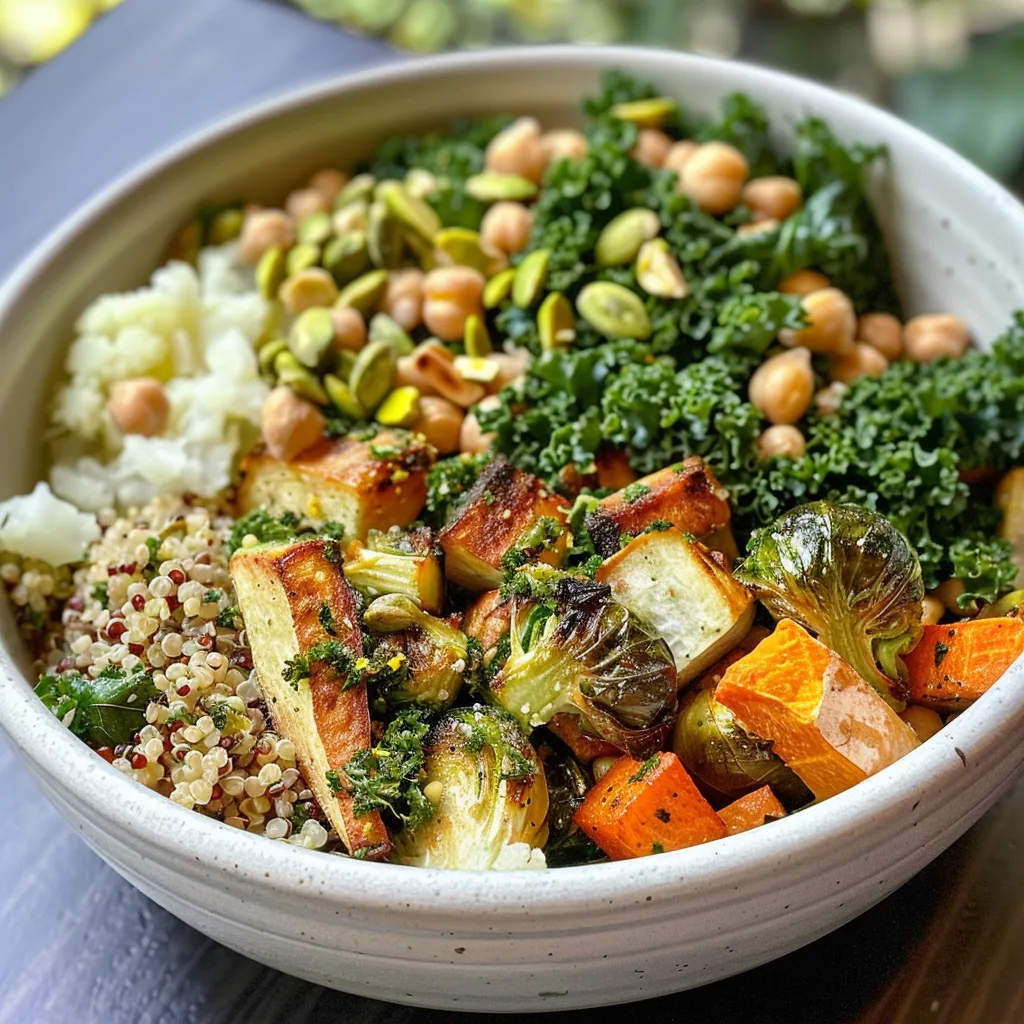
Here are some expert insights to ensure your grain bowl turns out perfectly:
- Prep Ahead: Chop your veggies and cook your grains in advance to save time during the week.
- Season Generously: Don’t shy away from seasoning your vegetables before roasting to enhance their natural flavors.
- Experiment with Textures: Mix roasted and raw veggies for added crunch and nutritional benefits.
- Dress it Up: Try different sauces or dressings to keep your meals exciting; tahini or tahini dressing can be a great alternative.
- Roast at High Heat: Roasting at 425°F allows for caramelization, giving your veggies a delicious flavor.
- Keep it Colorful: Aim for a variety of colors in your bowl for visual appeal and nutritional diversity.
- Fresh Herbs: Add freshly chopped herbs just before serving for an extra burst of flavor.
- Don’t Overcrowd the Pan: Give your veggies space to roast evenly without steaming.
- Adjust to Your Taste: Feel free to tweak the recipe according to your dietary preferences or what’s available.
- Store Separately: Keep grains, veggies, and sauces in separate containers when meal prepping to maintain freshness.
Avoiding Common Mistakes
Here are common pitfalls to avoid when making your grain bowl:
- Not Rinsing Quinoa: Always rinse quinoa before cooking to remove its natural coating (saponin) that can taste bitter.
- Overcooking Vegetables: Keep an eye on your veggies to ensure they are tender but still retain their shape and flavor.
- Skipping the Sauce: A tasty sauce can elevate your grain bowl from good to great—don’t skip it!
- Using Too Many Ingredients: While variety is good, too many ingredients can overwhelm the dish. Stick to a few key components for balance.
- Neglecting Freshness: Try to use fresh ingredients whenever possible for the best flavor and nutrition.
Variations to Try
Feel free to customize your grain bowl with these tasty variations:
- Mexican-Inspired: Swap quinoa for brown rice, add black beans, corn, diced tomatoes, avocado, and a lime dressing.
- Asian-Inspired: Use jasmine rice, add edamame, shredded carrots, cucumber, and a sesame ginger dressing.
- Mediterranean Twist: Replace quinoa with farro, include roasted eggplant, bell peppers, and a drizzle of tzatziki.
- Breakfast Bowl: Use oatmeal as the base, top with sautéed spinach, poached eggs, and a sprinkle of feta.
Storage and Make-Ahead Instructions
This grain bowl is perfect for meal prep! Here’s how to store it:
- Refrigerate: Store components in airtight containers for up to 4 days. Keep the sauce separate until serving.
- Freeze: You can also freeze cooked quinoa and roasted veggies for up to 3 months. Thaw before serving.
- Reheat: Warm the grains and veggies in the microwave or on the stovetop before assembling your bowl.
- Assemble Fresh: For the best taste, assemble your grain bowl just before eating.
Frequently Asked Questions
Here are some common questions about grain bowls:
- Can I use other grains? Yes! Feel free to experiment with brown rice, farro, or barley for different textures.
- How can I make this grain bowl vegan? This recipe is already vegan! Just ensure any toppings or sauces you use are plant-based.
- Can I eat it cold? Absolutely! Grain bowls are delicious served cold; they make a great lunch option.
- What if I don’t like chickpeas? Substitute with any other protein such as lentils, black beans, or tofu.
- How do I make it gluten-free? Use gluten-free grains such as quinoa, rice, or millet and check sauces for gluten-containing ingredients.
- What’s the best way to add flavor? Experiment with various sauces, spices, and fresh herbs to personalize your grain bowl.
- How long does it take to make? The total prep and cooking time is around 45 minutes.
- Can I add fruit to my grain bowl? Definitely! Fresh fruits like berries, apples, or citrus can add a refreshing touch.
Nutrition Tips and Dietary Adaptations
To enhance the nutritional value of your grain bowl, consider the following tips:
- Incorporate Healthy Fats: Add avocado or a sprinkle of nuts and seeds for healthy fat content.
- Boost Protein: Include more plant-based protein sources like lentils, nuts, or seeds to keep you satisfied.
- Load Up on Veggies: Aim to fill half your bowl with a variety of colorful vegetables for maximum nutrients.
- Mind the Dressing: Keep dressings light and flavorful to avoid adding unnecessary calories.
- Balance Your Plate: Ensure your bowl has a good mix of fiber, protein, and healthy fats for a balanced meal.
Equipment Recommendations
Here’s what you’ll need to make your grain bowl:
- Medium Pot: For cooking quinoa or any grains.
- Blender: To make the vibrant sauce easily.
- Baking Sheets: For roasting your veggies; using parchment paper can help with cleanup.
- Mixing Bowls: For prepping ingredients and mixing them together.
- Measuring Cups and Spoons: To ensure accurate ingredient amounts.
Serving Suggestions
When it comes to serving your grain bowl, here are some ideas to enhance your meal:
- Top with Fresh Herbs: A sprinkle of fresh herbs just before serving adds a burst of flavor.
- Add a Protein Boost: Consider offering grilled chicken, fish, or tofu on the side for extra protein.
- Pair with a Side Salad: Serve with a side salad for a complete meal.
- Include a Slice of Bread: Whole grain bread or pita can be a great addition for a more filling experience.
Conclusion
Your journey toward healthy eating starts with embracing the simplicity and versatility of grain bowls. This nourishing roasted veggie grain bowl is an excellent introduction to the world of balanced, delicious meals that are easy to prepare and satisfying to eat. So gather your ingredients, get creative, and enjoy the process of making something wonderful that nourishes both your body and your spirit. Happy cooking!
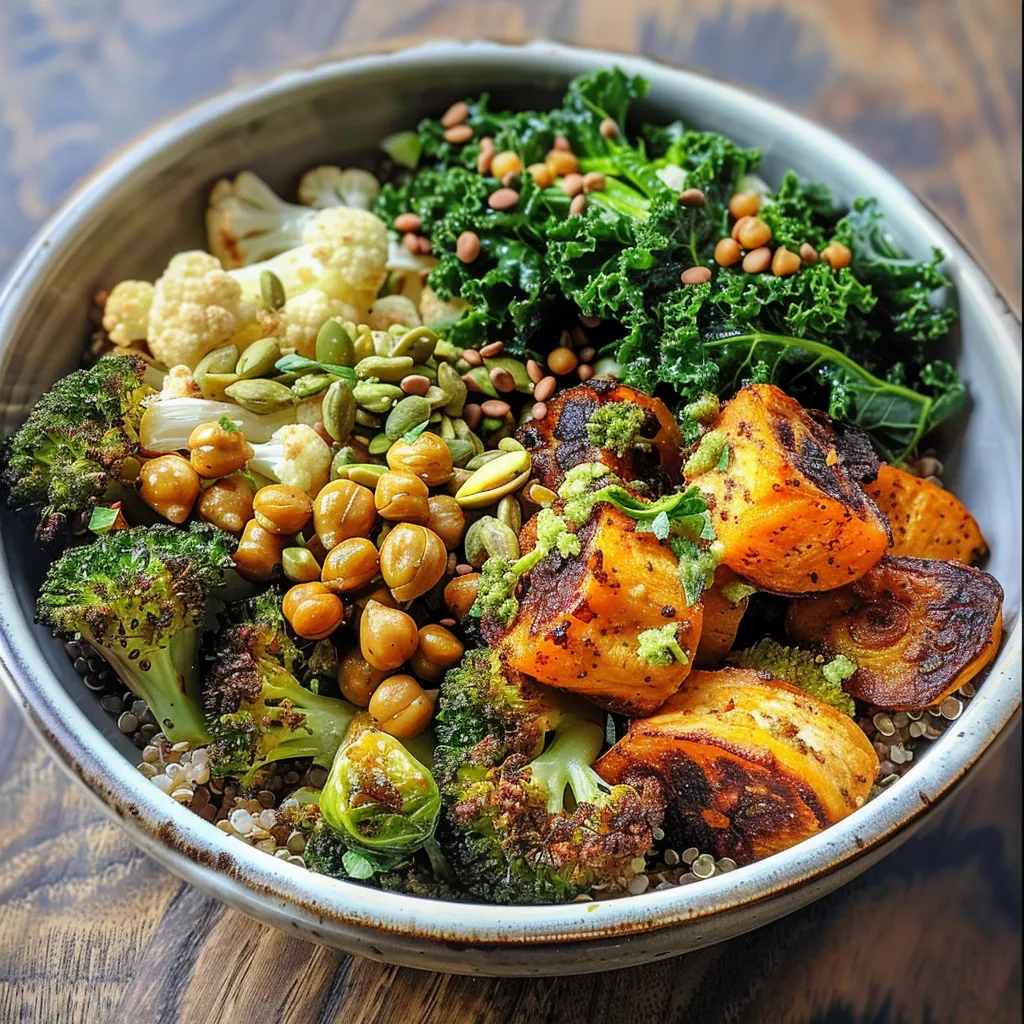
Roasted Veggie Grain Bowl
Ingredients
Grains
- 1 cup uncooked quinoa (rinsed)
- 1.75 cups water
Nuts & Seeds
- 0.5 cup pepitas (or shelled raw pistachios)
Vegetables
- 2 small garlic cloves
- 1 cup chopped kale (packed)
- 1 cup fresh cilantro (packed, plus more for garnish)
- 0.25 cup fresh lemon juice
- 0.5 teaspoon sea salt (plus more to taste)
Other
- 0.5 cup extra-virgin olive oil (plus more for drizzling)
- 0.5 cup water
- 0.5 teaspoon maple syrup or honey
- 2 parsnips chopped into ½-inch pieces
- 0.5 cauliflower broken into florets
- 1.5 cups Brussels sprouts (halved)
- 1 bunch broccolini
- 14 ounces canned chickpeas (drained and rinsed)
Sauerkraut
- to taste Sauerkraut (preferably Bubbies)
Toppings
- to taste Toasted pepitas
Instructions
- Preheat oven to 425°F (220°C). Cook quinoa in water until fluffy, about 15 minutes.
- Blend pepitas, garlic, kale, cilantro, lemon juice, salt, pepper, olive oil, water, and honey until smooth to make the sauce.
- Roast parsnips, cauliflower, and Brussels sprouts for 20-25 minutes; roast broccolini for 10-12 minutes. Cool and chop stems if needed.
- Assemble bowls with quinoa, roasted vegetables, chickpeas, sauerkraut, and pepitas. Drizzle with sauce and season as desired.