
Why Bechamel Sauce is Your Go-To Kitchen Essential
Bechamel sauce, often referred to as the “white sauce,” is a classic French sauce that serves as a foundation for countless dishes, including moussaka and lasagna. If you’ve ever tasted a creamy, rich sauce that elevates your meal, there’s a good chance it was made with Bechamel. With just a few simple ingredients, you can create a versatile sauce that enhances flavors and textures in a variety of recipes.
In this guide, we will walk you through everything you need to know about making Bechamel sauce, from its benefits to troubleshooting tips. Let’s dive in and discover why this sauce should be a staple in your kitchen.
Why You’ll Love This Recipe
Bechamel sauce is not just a culinary staple; it’s a transformative ingredient that can elevate your cooking. Here are five reasons to love this recipe:
- Versatile base: Bechamel can be used in multiple dishes ranging from pasta to casseroles, making it a must-have in your cooking repertoire.
- Quick and simple: With just a few ingredients and steps, you can whip up this sauce in under 20 minutes.
- Customizable flavor: You can easily adjust the seasoning and add ingredients like cheese or spices to suit your taste.
- Healthier option: Making it from scratch allows you to control the ingredients and avoid preservatives found in store-bought sauces.
- Impressive touch: A homemade Bechamel adds a gourmet flair to your meals, impressing friends and family alike.
Ingredient Breakdown and Substitutions
Crafting a great Bechamel sauce starts with understanding its ingredients. Here’s what you’ll need:
- 4 tablespoons butter: A must for flavor and richness. You can substitute with olive oil for a dairy-free version.
- 2 tablespoons grated onion: This adds a hint of sweetness. Feel free to replace it with shallots or skip it altogether if you prefer a pure white sauce.
- 2 tablespoons all-purpose flour: The key thickening agent. For a gluten-free option, use cornstarch or a gluten-free flour blend.
- 0.5 teaspoon salt: Enhances the overall flavor. Adjust to your taste, especially if using salted butter.
- 0.25 teaspoon ground white pepper: This provides a mild heat. Black pepper can be used for a stronger flavor.
- 1 cup half-and-half: Creates a creamy texture. You can substitute with whole milk or a non-dairy alternative like almond milk.
- 1 cup chicken broth: This adds depth to the sauce. Vegetable broth is a great alternative for a vegetarian version.
- 1 pinch dried thyme: A subtle earthy flavor. Experiment with herbs like nutmeg for a unique twist.
- 1 pinch ground cayenne pepper: Adds a touch of heat. Omit it if you prefer a milder sauce.
Steps to Perfect Bechamel Sauce

Here’s how to make your Bechamel sauce:
- Melt butter in a small saucepan over medium-low heat.
- Stir in grated onion, flour, salt, and white pepper. Cook for about 1-2 minutes until the mixture is bubbling but not browned.
- Gradually whisk in half-and-half and chicken broth, ensuring there are no lumps.
- Continue cooking, stirring frequently, until the sauce thickens (about 5-7 minutes).
- Off heat, stir in thyme and cayenne pepper. Taste and adjust seasoning if necessary.
Pro Tips for the Best Bechamel
To ensure your Bechamel sauce turns out perfectly every time, consider these expert tips:
- Use a whisk: This helps prevent lumps while combining the flour and liquid.
- Control heat: Cooking on medium-low heat is crucial to avoid burning the butter or flour.
- Gradually add liquids: Adding liquids slowly while whisking helps maintain a smooth consistency.
- Consistency check: The sauce should coat the back of a spoon; if it’s too thin, cook it a bit longer.
- Storage tip: If not using immediately, cover with plastic wrap directly on the surface to prevent skin from forming.
- Seasoning adjustments: Taste as you go; different broths or milk types may require different seasoning levels.
- Add cheese for a Mornay sauce: Stir in 1 cup of grated cheese (like Gruyère) after thickening for a delightful twist.
- Experiment with spices: Feel free to add nutmeg or garlic powder for different flavor profiles.
Common Mistakes and Troubleshooting
Even the best chefs can run into issues while making Bechamel. Here are some common mistakes and how to fix them:
- Lumpy sauce: If you see lumps, try whisking vigorously or using a blender to smooth it out.
- Too thick: Add a splash of milk or broth and whisk thoroughly to loosen it up.
- Burnt flavor: If you’ve cooked it too long, start over. Bechamel should not have a burnt taste.
- Too salty: If it’s too salty, balance it with a splash of cream or a pinch of sugar.
Variations to Try
Bechamel is incredibly adaptable. Here are four variations you might enjoy:
- Cheesy Bechamel: Stir in 1 cup of grated cheese for a creamy, cheesy sauce perfect for pasta bakes.
- Herbed Bechamel: Add fresh herbs like basil or parsley for an aromatic touch.
- Spicy Bechamel: Mix in a teaspoon of hot sauce or a sprinkle of chili flakes for a kick.
- Nutmeg Bechamel: A pinch of nutmeg can enhance the flavor, especially in creamy pasta dishes.
Storage and Make-Ahead Instructions
Bechamel can be made ahead of time, making it perfect for meal prep. Here’s how to store it:
- Refrigeration: Store in an airtight container in the fridge for up to 3 days.
- Freezing: Freeze in an airtight container for up to 3 months. Thaw in the fridge overnight before reheating.
- Reheating: Gently reheat on the stovetop over low heat, adding a bit of milk or broth to restore the consistency.
Comprehensive FAQ
Here are answers to some common questions about Bechamel sauce:
- What is Bechamel sauce used for? It’s used as a base for many dishes like lasagna, moussaka, and mac and cheese.
- Can I make Bechamel sauce dairy-free? Yes! Use non-dairy milk and olive oil instead of butter.
- How do I fix a lumpy Bechamel? Blend it until smooth, or whisk vigorously while heating.
- Can I add cheese to Bechamel? Absolutely! Adding cheese creates a delicious Mornay sauce.
- How long does Bechamel last in the fridge? Up to 3 days when stored properly in an airtight container.
- What is the difference between Bechamel and Alfredo sauce? Bechamel is a white sauce; Alfredo is a creamy sauce made with butter, cream, and cheese.
- Can I add spices to Bechamel? Yes! Feel free to experiment with spices like nutmeg, garlic, or herbs.
- Is Bechamel sauce gluten-free? Traditional Bechamel is not, but you can use gluten-free flour to make it suitable.
Nutrition Tips and Dietary Adaptations
Bechamel sauce can be made healthier with a few simple tweaks:
- Use whole grains: If you’re making a dish that includes pasta, opt for whole grain or legume-based pasta for added fiber.
- Reduce fat: Swap out some of the butter for olive oil to lower saturated fat.
- Increase veggies: Add pureed vegetables to the sauce for added nutrition, flavor, and color.
Essential Equipment for Making Bechamel
To make the perfect Bechamel, consider having these kitchen tools on hand:
- Whisk: Essential for mixing and preventing lumps.
- Small saucepan: A heavy-bottomed pan will distribute heat evenly.
- Wooden spoon or spatula: For stirring the sauce as it thickens.
- Measuring cups and spoons: Accuracy in measuring ingredients is key to success.
- Fine mesh strainer: Optional, but helpful for ensuring a silky-smooth sauce.
Serving Suggestions for Your Bechamel Sauce
Once you’ve mastered Bechamel, here are a few ideas for serving it:
- Over pasta: Combine with your favorite pasta and vegetables for a creamy dish.
- In casseroles: Use as a layer in lasagna or moussaka for added richness.
- With meats: Serve over grilled chicken or fish for a gourmet touch.
- As a dip: Mix with herbs and spices for a delicious dipping sauce.
Your Bechamel Adventure Awaits!
Now that you have the complete guide to making Bechamel sauce, it’s time to get cooking! This creamy, versatile sauce can transform a simple meal into something special. Embrace the process and remember, cooking is meant to be enjoyable and satisfying. So gather your ingredients, follow the steps, and don’t hesitate to get creative with your variations. Happy cooking!
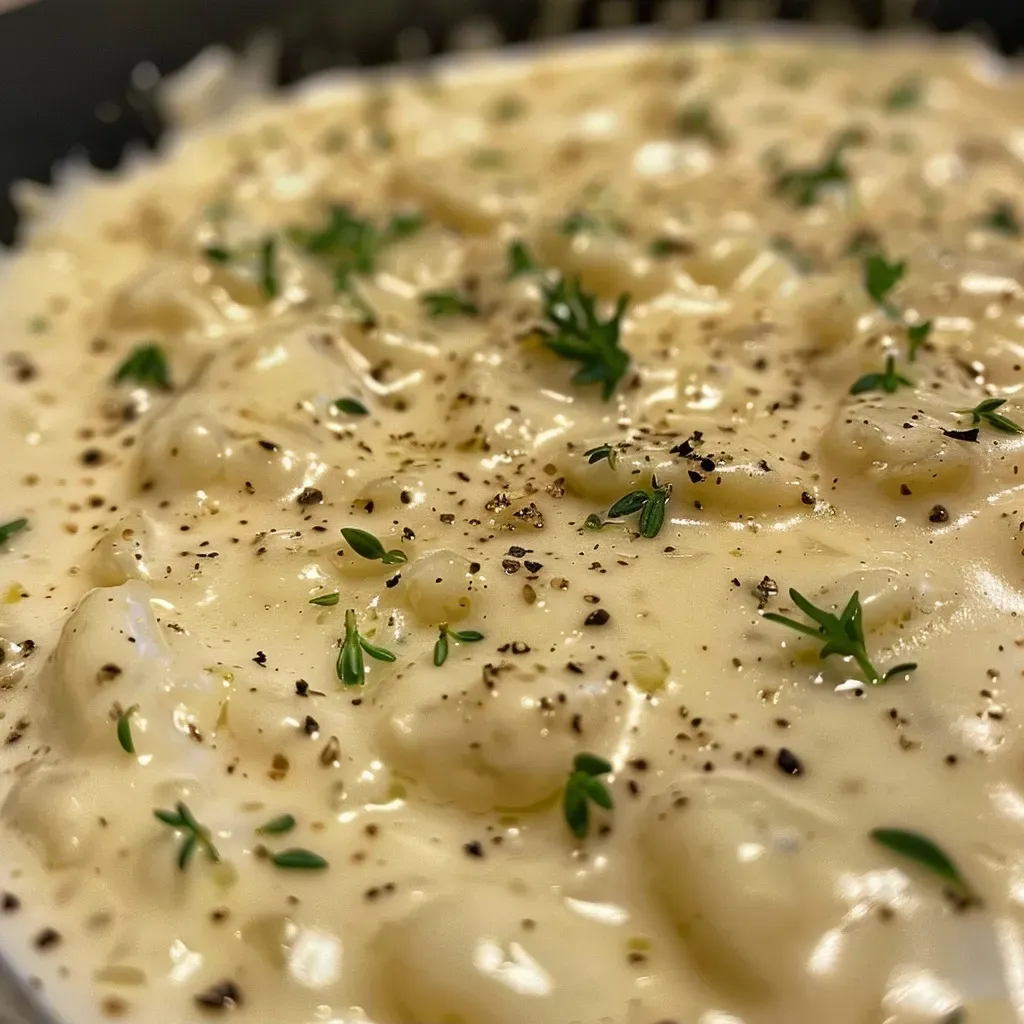
Bechamel Sauce
Ingredients
Dairy and fats
- 4 tablespoons butter
- 2 tablespoons grated onion
- 2 tablespoons all-purpose flour
Seasonings
- 0.5 teaspoon salt
- 0.25 teaspoon ground white pepper
Liquids
- 1 cup half-and-half
- 1 cup chicken broth
Spices
- 1 pinch dried thyme
- 1 pinch ground cayenne pepper
Instructions
- Melt butter over medium-low heat; stir in onion, flour, salt, and white pepper.
- Add half-and-half and chicken broth; cook until thickened, stirring frequently.
- Remove from heat; stir in thyme and cayenne pepper.